Overview
BPC-157 (Body Protection Compound-157) is a synthetic peptide consisting of 15 amino acids, derived from a partial sequence of a protein naturally present in human gastric juice. It's one of the most extensively referenced compounds in the tissue-repair peptide literature, largely because of its comparative chemical stability — many peptides degrade quickly outside the body, while BPC-157 has been reported to remain stable across a wider range of conditions, which is part of why it shows up so often in preclinical study designs.
Areas of investigation
The published preclinical literature on BPC-157 clusters around a few recurring themes:
- Gastrointestinal protection. Animal studies have examined its effect on models of gastric ulceration and intestinal injury, consistent with its origin as a gastric-derived fragment.
- Soft-tissue and tendon healing. A substantial share of the literature focuses on ligament, tendon, and muscle injury models, often examining markers associated with angiogenesis (new blood vessel formation).
- Gut-brain axis signaling. A smaller but growing body of work looks at interactions between BPC-157 and neurotransmitter systems, though this area is less developed than the tissue-repair literature.
What this doesn't mean: these are directions of preclinical research, not established outcomes. Nearly all of this literature is based on animal models or in-vitro systems; controlled human clinical trial data is limited. This entry is a map of what's being studied, not a claim about what BPC-157 does in humans.
Molecular profile
External reference: BPC-157 on PubChem (CID 9941957)
| Property | Value |
|---|---|
| Sequence class | Pentadecapeptide (15 residues) |
| Parent compound | Fragment of body protection compound (BPC), gastric-derived |
| Solubility | Water-soluble; typically reconstituted with sterile or bacteriostatic water in lab settings |
| Stability notes | Reported to be comparatively stable in gastric acid and serum relative to many peptides |
Figures summarize commonly cited characteristics in the research literature and are provided for reference only — always consult the certificate of analysis (COA) for a specific research batch rather than relying on general figures like these.
Handling & storage in a research setting
Lyophilized (freeze-dried) peptides are generally stored frozen or refrigerated prior to reconstitution, and protected from light and repeated freeze-thaw cycles, which can degrade peptide integrity. Once reconstituted, most research peptides have a substantially shorter stable window and are typically kept refrigerated. Exact stability windows vary by compound and formulation — see the Protocols page for general laboratory handling practices, and refer to the specific COA for a given research batch.
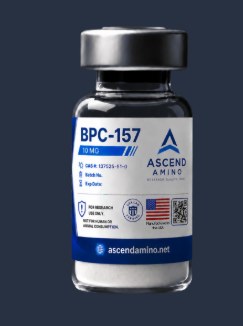
Batch-tested BPC-157 for laboratory research use is available through Ascend Amino, including lot-specific certificates of analysis. Research use only — not for human or veterinary use.
Further reading
For general background on how this compound class is categorized, see Healing and tissue-repair peptides in the Science Hub. For documentation and handling practices relevant to any lyophilized research peptide, see Protocols & Methodology.