Overview
Selank is a synthetic peptide developed as an extended analog of tuftsin, a naturally occurring immunomodulatory tetrapeptide. Originally developed in Russia, Selank has accumulated a research literature spanning two fairly distinct areas: immune-system signaling (drawing on its tuftsin origin) and central nervous system research, where it's most frequently discussed in the context of anxiolytic and stress-response models.
Areas of investigation
- Anxiolytic research models. The largest share of contemporary literature examines Selank's effect on stress and anxiety-related behavior in animal models, often in comparison with established anxiolytic compound classes.
- GABAergic and monoamine system interaction. Research has explored Selank's proposed interactions with GABA signaling and monoamine neurotransmitter systems as a possible mechanism behind its behavioral research findings.
- Immunomodulatory activity. Reflecting its tuftsin-derived origin, a smaller body of literature continues to examine Selank's effects on immune signaling pathways.
- BDNF and neurotrophic research. More recent studies have looked at Selank's association with brain-derived neurotrophic factor (BDNF) expression, an active but earlier-stage research direction.
What this doesn't mean: almost all Selank research to date comes from animal behavioral models, with a comparatively smaller body of early-phase human literature than many Western-developed compounds in this library. This entry maps research direction, not established outcomes.
Molecular profile
External reference: Selank on PubChem (CID 11765600)
| Property | Value |
|---|---|
| Sequence class | Heptapeptide, extended tuftsin analog |
| Parent compound | Tuftsin, a naturally occurring immunomodulatory tetrapeptide |
| Solubility | Water-soluble; commonly formulated and studied as an intranasal solution in the research literature |
| Stability notes | Standard peptide handling precautions apply — light-sensitive, requires refrigerated storage |
Figures summarize commonly cited characteristics in the research literature and are provided for reference only — always consult the certificate of analysis (COA) for a specific research batch.
Handling & storage in a research setting
Selank is frequently supplied and studied as a ready-to-use intranasal solution rather than a lyophilized powder requiring reconstitution, which changes its handling profile relative to most other entries in this library. Regardless of format, standard peptide precautions apply: refrigerated storage, protection from light, and attention to the manufacturer's stated in-use stability window. See Protocols for general laboratory practices.
Research materials
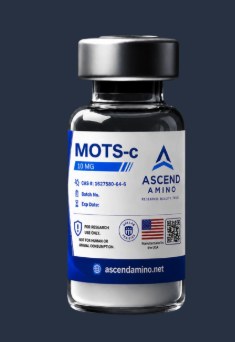
Batch-tested Selank for laboratory research use is available through Ascend Amino, including lot-specific certificates of analysis. Research use only — not for human or veterinary use.
Further reading
For background on how neuropeptides are studied more broadly, see the Science Hub.